
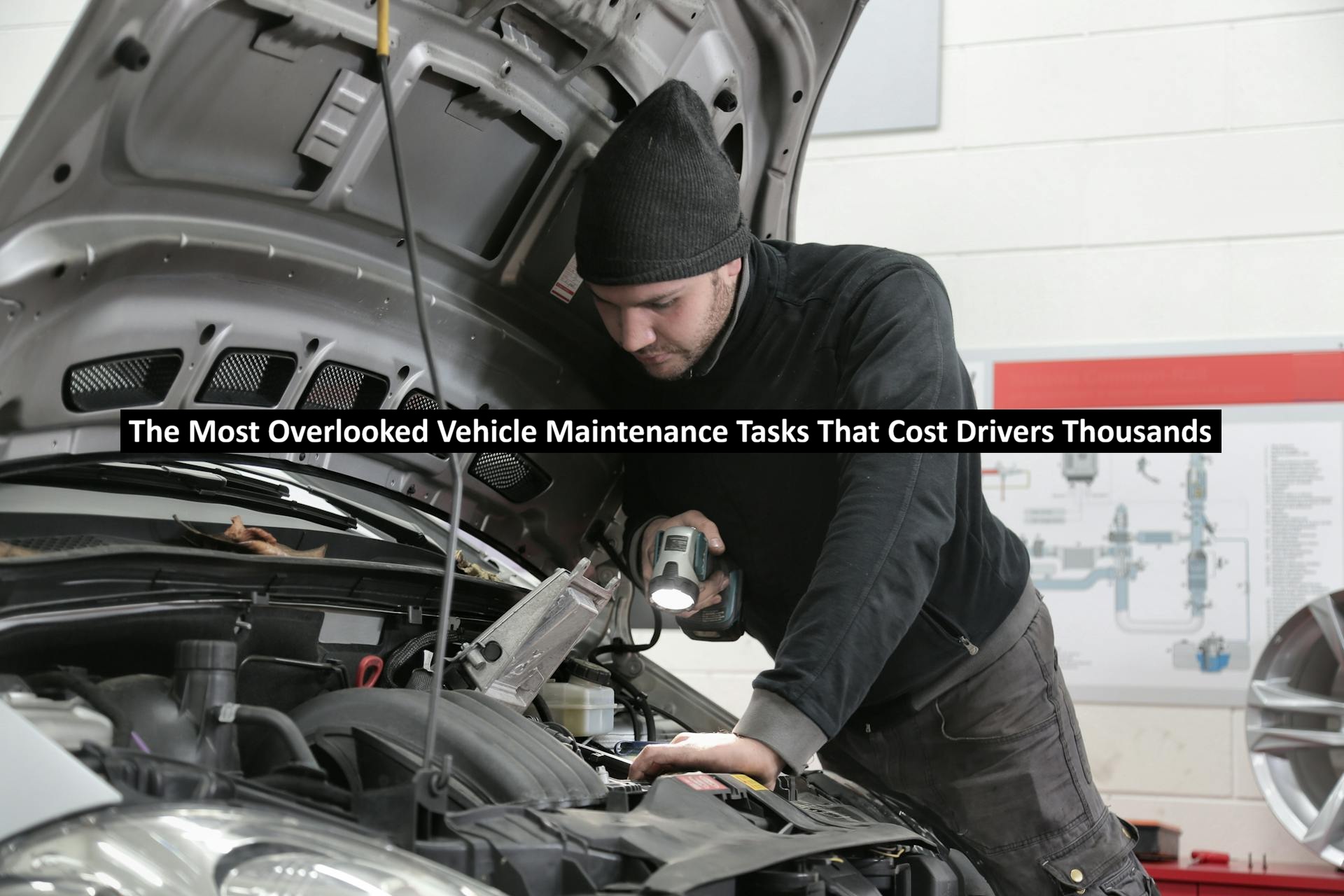
The Most Overlooked Vehicle Maintenance Tasks That Cost Drivers Thousands
Although cars require frequent maintenance, many upkeep tasks are simple and fairly inexpensive. However, brushing these tasks off will likely cost more in the long run. The following are vehicle tasks that, when overlooked, could cost thousands.
Reading the Owner’s Manual
Reading the owner’s manual may not seem like an obvious thing to try. However, there are many advantages to reading the manual that could save a substantial amount of money.
This is because:
- It will provide information about the proper oils, fuels, and parts that are needed for the vehicle. Giving your car the products it requires is a preventative measure that saves money long-term.
- The owner’s manual offers guidance for when and how frequently to receive maintenance. This prevents damage.
- It helps the owner identify what dashboard lights mean and how to solve the problem. This can save frequent trips to the mechanic and unnecessary panic.
- It instructs what the tire pressure should be, allowing for proper care. This may extend tire life.
No matter the time it takes, reading the owner’s manual is worth the effort.
Read: Looking for Cheap Used Cars Near Me? You’re in Luck
Changing Transmission Fluid
While it may not be at the front of every driver’s mind, changing the transmission fluid is an important part of vehicle maintenance not to overlook. Old fluid doesn’t lubricate or cool parts as efficiently, meaning more wear and tear on the internal components. If this goes on long enough, it could mean a full transmission replacement. By changing the transmission fluid, the parts stay cool and lubricated, and it even helps with fuel efficiency.
Replacing Spark Plugs
Spark plugs are an uncomplicated part of a vehicle that are easily overlooked. However, when spark plug replacements are ignored, it can impair the vehicle. For example:
- Faulty spark plugs can increase the chance you’ll need to replace the catalytic converter. This is a pricey fix.
- Spark plugs help with combustion, which improves fuel economy. This means the vehicle uses less gas, and it improves performance. It also decreases the likelihood of a breakdown.
- Bad spark plugs can eventually damage the engine, which will cause major car problems in the end.
When drivers do the work themselves and utilize options like aftermarket parts, replacing these car parts is straightforward and minimizes future costs.
Alignment Checks
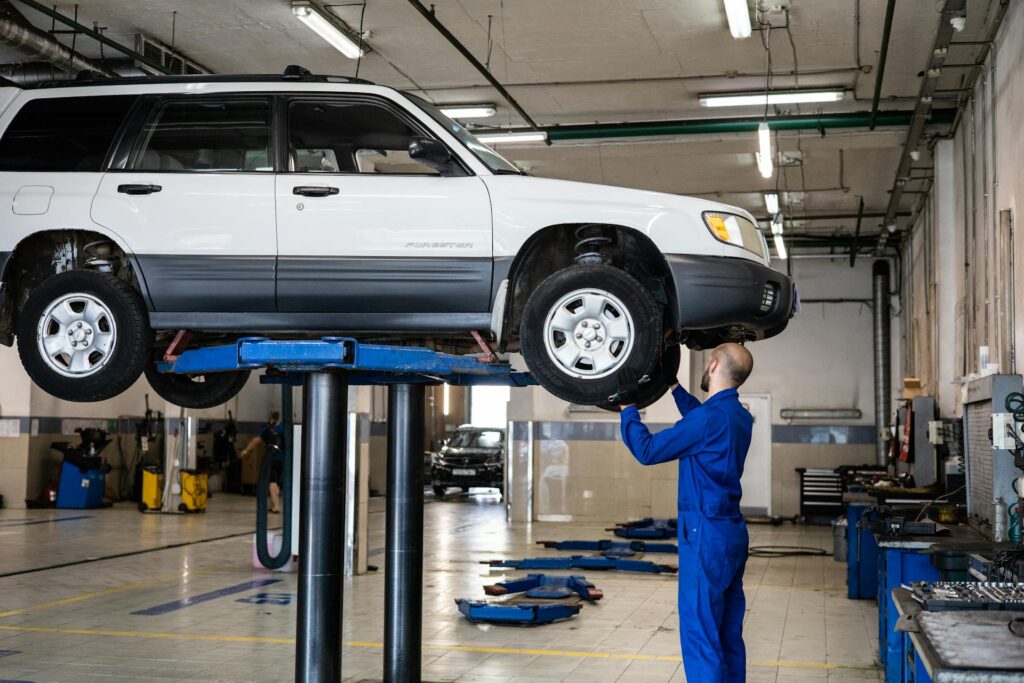
When a vehicle has an alignment check, it is meant to ensure the car tracks straight on the road. This increases the safety of the driver and those around them. It also has significant money-saving advantages for the vehicle, including:
- Preventing wear and tear on the tires. This results in fewer tire replacements.
- It decreases strain on the suspension, thus extending suspension life. As this may cost a significant amount, decreasing strain is a helpful measure.
- It maximizes the fuel economy and helps engine efficiency. This is a preventative measure for the vehicle and decreases damage and car expenses.
For both vehicle and driver safety, getting this type of service is worth it.
Check Your Timing Belt
While this may not need changing, it is a good thing to check every so often. A snapped timing belt can be catastrophic for a modern, interference engine. Older vehicles with non-interference engines are a little luckier in this area. The engine will still stop, but the components won’t be as damaged. Either way, the engine won’t run without a timing belt.
Oil Changes
There are several advantages of getting regular oil changes for a vehicle. The main one is how much it can reduce expenses. This is due to the fact that:
- If oil changes are ignored frequently enough, it can wear out the engine. In some cases, it can even lead to complete engine failure. This is not a cheap fix.
- Oil changes improve fuel efficiency and maintain the exhaust gas recirculation (EGR). Over time, this saves on fuel costs.
- While getting the oil changed, mechanics will often do a quick inspection to make sure the vehicle’s health is optimal. This can lead to additional preventative maintenance.
Getting regular oil changes is an easy maintenance task. When implemented, it helps the car engine function at a higher level.
Changing Out Brake Fluid and Brake Pads
Brake maintenance and conservation are vital for a vehicle to function properly. Two basic ways to do that are by changing out brake fluid and brake pads. The reasons for this are that:
- Not replacing brake pads causes damage to the rotor. This could double, or in some cases, even triple the price of what would otherwise be a simple fix.
- Worn-out brake pads will likely result in caliper impairment. These are high-cost to replace
- Brake fluid replacement can prevent damage to the anti-lock braking system. Keeping up to date with this will help avoid repairs.
- Not changing the brake fluid habitually will hurt the hydraulic braking system. Repairs for something like this can easily result in over a thousand
In addition to cutting back high costs, brake preservation is also a security measure for drivers.
There are multiple vehicle maintenance tasks that, when disregarded, can cost drivers thousands. These include simple things like changing out spark plugs, reading the owner’s manual, and changing out brake fluid and pads. Additionally, replacing spark plugs and performing frequent alignment checks and oil changes will also save drivers money overall.